- Published on
Why Successful Technical Leadership Needs Emotional Intelligence
- Authors

In technical roles, it’s easy to assume that if the solution is right, everything else will follow.
That’s been my experience anyway—focus on the architecture, make the right decisions, deliver incrementally, and things should fall into place.
But that’s not really how it works.
Working as a systems architect, particularly in Agile environments, I’ve found that the technical side is often the easier part. The harder part is aligning people, managing expectations, and navigating different perspectives across teams.
That’s where emotional intelligence comes in.
Goleman’s Emotional Intelligence in Technical Leadership
Daniel Goleman (1995) breaks emotional intelligence down into four core areas:
- Self-awareness
- Self-regulation
- Social awareness (empathy)
- Relationship management
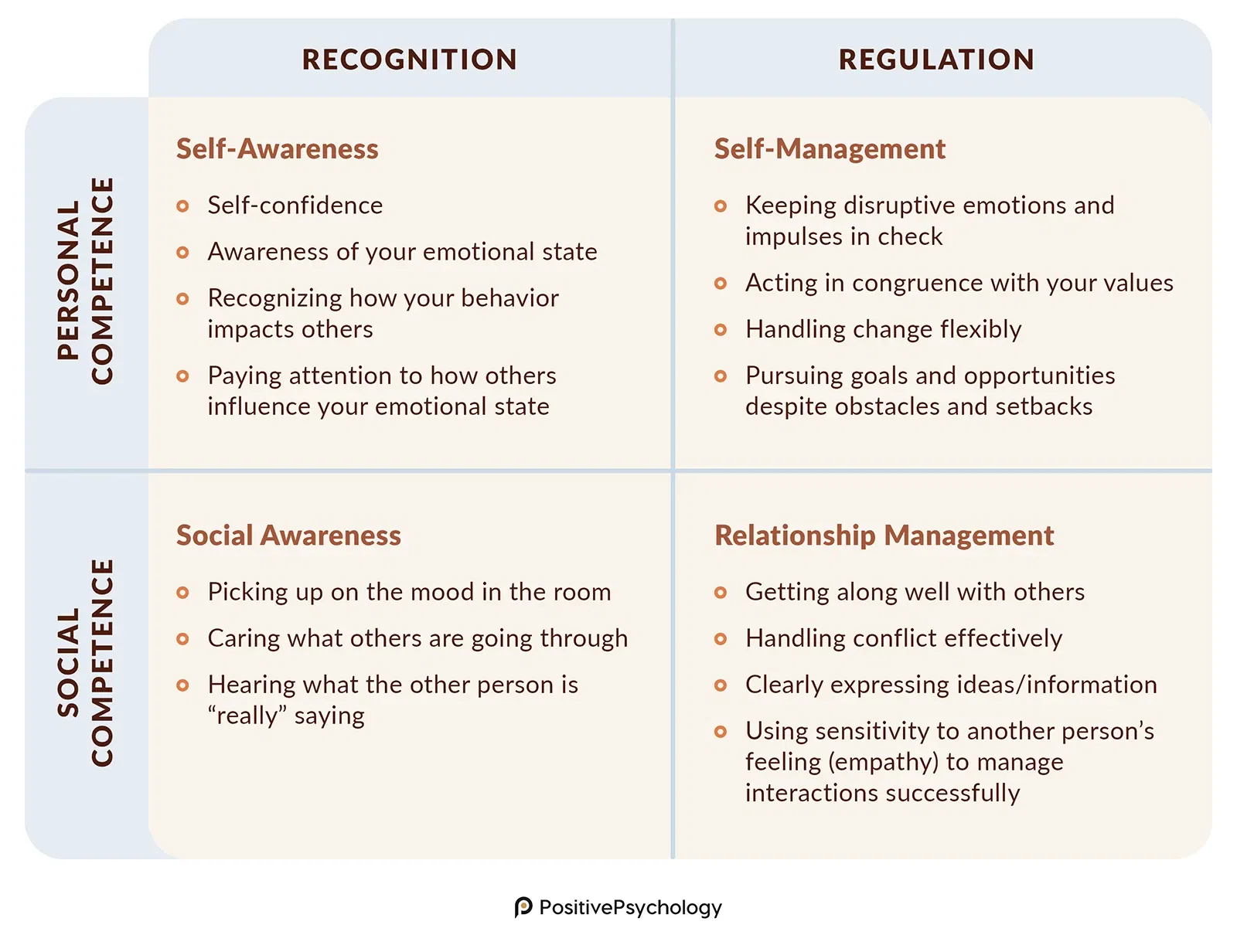
In technical delivery, these show up more often than you’d expect.
For example:
- reacting to changing requirements mid-sprint
- dealing with pressure to deliver quickly
- handling disagreements between teams
- balancing technical priorities with stakeholder expectations
Technical expertise defines the solution. Emotional intelligence often determines whether it actually gets delivered.
Agile Delivery and Emotional Intelligence
Agile is built around collaboration, feedback, and iteration. On paper, that should make delivery smoother.
In reality, a lot of the friction isn’t technical. It comes from:
- different stakeholder priorities
- tension between delivery speed and governance
- gaps in communication between teams
I’ve seen this quite a bit when working on data platforms (e.g. Microsoft Fabric, Purview), where governance or ownership concerns can slow things down.
Looking at that through Goleman’s model:
- Self-awareness – recognising when delivery pressure is shaping your behaviour
- Self-regulation – managing frustration when things don’t move as quickly as expected
- Empathy – understanding why governance or risk concerns matter
- Relationship management – aligning people rather than pushing solutions
A lot of what looks like a technical blocker is usually something else.
A Simple Way to Think About It
You can map Goleman’s model quite neatly onto Agile delivery:
Sprint Pressure → Self-Regulation Changing Requirements → Self-Awareness Stakeholder Concerns → Empathy Team Alignment → Relationship Management
Agile gives you the structure. Emotional intelligence is what makes it work in practice.
When It Goes Wrong: Healthcare.gov
A well-known example of a failed software delivery is the launch of Healthcare.gov in 2013.
Despite significant investment and technical capability, the system failed at launch due to:
- poor coordination across teams
- lack of clear ownership
- communication breakdowns
- unrealistic expectations
There were technical issues, but many of the root causes weren’t technical.
From a Goleman perspective:
- limited self-awareness of delivery risk
- poor self-regulation under pressure
- lack of empathy for user impact
- weak relationship management across teams
It’s a good reminder that technical failure is often a symptom of something else.
Leading Without Authority
In architecture roles, leadership is rarely about direct authority. It’s more about influence.
That means:
- guiding decisions rather than making them
- aligning stakeholders with different priorities
- supporting teams without controlling them
This relies heavily on relationship management, one of Goleman’s core components.
Without it, even well-designed systems struggle to get delivered properly.
Balancing Delivery and Alignment
One of the consistent tensions in technical leadership is between:
- delivery (speed, outcomes)
- alignment (people, understanding, buy-in)
My natural tendency has been to prioritise delivery. But without applying emotional intelligence—particularly empathy and self-regulation—that can lead to:
- resistance
- misalignment
- rework later on
In most cases, spending a bit more time on alignment leads to better outcomes overall.
Key Takeaways
Goleman’s model is a useful way of thinking about technical leadership:
- Self-awareness helps you recognise when pressure is affecting decisions
- Self-regulation helps avoid reactive behaviour
- Empathy improves how you understand stakeholders
- Relationship management enables alignment across teams
Agile provides the framework, but emotional intelligence is what allows it to function properly.
Conclusion
Technical leadership is often seen as a combination of expertise and delivery capability.
In practice, success depends just as much on how people work together.
The biggest shift for me has been recognizing that strong technical solutions are necessary—but not sufficient.
Emotional intelligence is what enables those solutions to actually land.
References
- Goleman, D. (1995). Emotional Intelligence: Why It Can Matter More Than IQ.